How Legal AI is Empowering Everyday People in Accessing Justice.

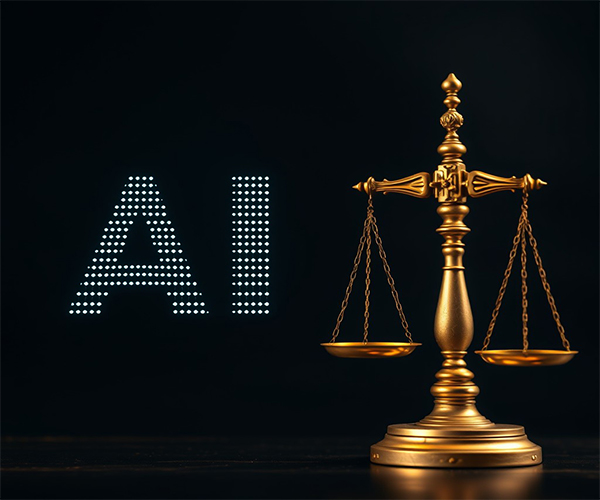

For generations, the law has felt like a fortress protective for those who could afford to be inside, but intimidating and inaccessible for everyone else. The high cost of legal services often meant that individuals and small businesses were left to navigate legal challenges alone, sometimes giving up entirely on justice.
But a quiet revolution is underway. Artificial Intelligence (AI) is steadily changing how people interact with the law. Instead of being a privilege reserved for the wealthy or well-connected, legal knowledge and tools are now being placed in the hands of ordinary people.
Legal AI isn’t about replacing lawyers—it’s about expanding access. By simplifying legal language, automating routine processes, and offering guidance anytime and anywhere, AI is lowering barriers that once kept people locked out of their rights.
Why Legal AI Matters for Everyday People
The World Justice Project estimates that 5.1 billion people globally lack meaningful access to justice, that is, two-thirds of the world’s population. Many of them face everyday legal issues like unfair contracts, employment disputes, housing evictions, or inheritance challenges. These are not “big” enough cases for costly legal representation, but they can change the course of someone’s life.
This is where Legal AI shines: handling the issues that fall in between—too expensive to hire a lawyer for, yet too risky to face alone.
1. Demystifying the Fine Print: Smarter Contract Review
From signing a lease to taking out a loan, most people feel anxious about contracts. Research shows that less than 10% of consumers actually read online terms and conditions before agreeing. AI-powered platforms now scan contracts within seconds, flagging risky clauses like automatic renewals, high penalties, or hidden liability. They also translate legal jargon into plain language, making the implications clear.
For a Ugandan boda boda rider taking a loan for a motorcycle, or a tenant in Kampala signing a rental agreement, this could prevent exploitation that often comes with hidden terms.
2. Guided DIY Legal Documents
In Uganda, many people still struggle with formalizing documents like wills, tenancy agreements, or land sale contracts. This leaves families vulnerable to disputes and fraud. AI-driven tools could change this by guiding users step-by-step through creating legally sound documents in local languages.
Imagine a widow in Gulu being able to use a mobile phone app to draft a simple will or protect her land rights without needing to travel long distances or pay high legal fees. This is where technology directly strengthens justice at the community level.
3. Smarter Legal Research and Case Assessment
“Do I even have a case?” is a question Ugandans ask daily, from workers facing unfair dismissal to small business owners dealing with unpaid contracts. Traditionally, this requires costly consultations. AI can analyze similar cases and outcomes, giving people in rural districts a clearer idea of their chances before committing to lengthy legal processes.
4. 24/7 Legal Guidance Through Chatbots
Justice doesn’t wait for office hours, and in many Ugandan communities, legal aid offices are either understaffed or nonexistent. AI-powered chatbots—accessible through WhatsApp or SMS could offer real-time, first-level guidance.
For example:
- A market vendor in Mbale could learn her rights if evicted without notice.
- A young person in Wakiso could be guided on what to do after an unlawful arrest.
- Families could instantly access information on child custody, inheritance rights, or how to report gender-based violence.
This kind of accessible, mobile-based guidance is crucial in Uganda, where over 70% of people rely on mobile phones as their primary gateway to information.

Beyond Convenience: A Step Toward Justice in Africa
The justice gap in Africa is among the largest in the world. According to surveys, millions of Ugandans experience legal problems each year, yet fewer than 20% access formal legal support, often due to cost, distance, or lack of awareness.
Legal AI offers an affordable, scalable solution to bridge this gap:
- Bridging the Justice Gap: For rural Ugandans, where lawyers are scarce, AI tools provide a critical first step in understanding rights.
- Leveling the Playing Field: Small-scale farmers and traders often face unfair contracts from bigger buyers. With AI-powered reviews, they can better protect themselves.
- Reducing Fear and Stress: Many Ugandans view the justice system as intimidating or corrupt. By simplifying information, AI reduces fear and empowers people to take action.
A Partnership, Not a Replacement
It’s important to note: AI isn’t here to replace lawyers. Complex litigation, criminal defense, or highly sensitive cases will always require human expertise, empathy, and judgment. Instead, Legal AI works best as a partner, handling routine tasks so that human lawyers can focus on complex issues while people manage simpler matters on their own.
The future of law is not AI versus lawyers. It’s AI-assisted individuals who are more informed, confident, and capable of navigating legal challenges.
In the end, Legal AI is doing something extraordinary: not weakening the law, but making it more human. In Africa, and Uganda in particular, it is offering something even more powerful: the possibility that justice will no longer be a privilege for the few, but a right accessible to all.